The UAE continues to lead digital retail innovation with rapid online shopping growth, mobile-first consumers, faster delivery networks, and smarter payment options. From AI-powered personalization to social commerce and same-day fulfillment, the country’s e-commerce market is evolving quickly. This guide explores the most important UAE e-commerce trends shaping how people shop online in 2026.
UAE E-commerce Growth Remains Strong
The UAE e-commerce sector has moved far beyond a convenience trend and is now a core part of retail spending. Multiple industry estimates show continued double-digit growth, with market projections ranging from approximately AED 32.3 billion in 2024 to more than AED 50 billion by 2029 depending on methodology and included categories. This reflects strong consumer confidence, high digital adoption, and a mature logistics ecosystem.
What makes the UAE unique is not only market size, but purchasing power. Shoppers are comfortable buying everything from groceries and fashion to electronics and premium goods online. As more brands invest in direct-to-consumer websites, marketplaces, and app-based retail, e-commerce is expected to capture a larger share of total retail spending over the next few years.
Mobile Commerce Is the Default Shopping Behavior
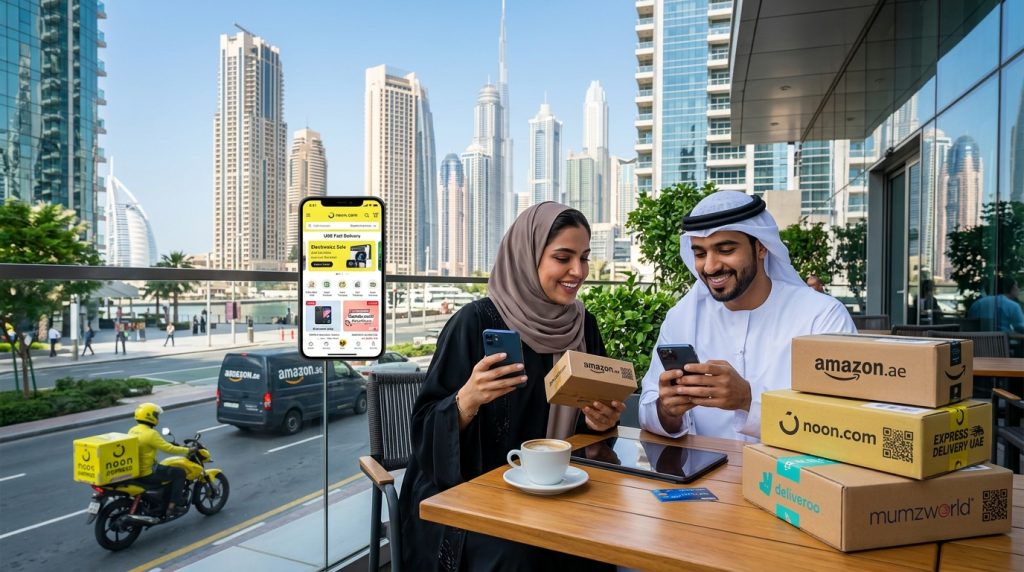
One of the biggest e-commerce trends in the UAE is the dominance of mobile shopping. Industry reports estimate that a large majority of transactions now happen through smartphones, with some sources placing mobile commerce at more than 70 percent of online purchases.
This means consumers are discovering products, comparing prices, paying, and tracking deliveries directly from apps. Retailers that fail to optimize mobile speed, app usability, and one-tap checkout are losing conversions. In practical terms, the UAE shopper expects a seamless mobile experience, whether buying a fashion item late at night or reordering household essentials during the day.
Fast Delivery Has Become a Competitive Standard
Convenience now means speed. Same-day delivery, next-day shipping, and even ultra-fast local fulfillment are changing customer expectations. In major cities like Dubai and Abu Dhabi, fast logistics networks have made online shopping feel as immediate as visiting a mall.
This has created two parallel behaviors. Planned purchases such as electronics or premium items can wait one to three days, while groceries, pharmacy items, snacks, and forgotten essentials are increasingly expected within minutes or hours. Retailers that can combine speed with reliability are building stronger loyalty and repeat purchase behavior.
Digital Payments and Buy Now Pay Later Are Expanding
Cash on delivery once played a major role in regional e-commerce, but the UAE is moving rapidly toward digital payments. Credit cards, digital wallets, Apple Pay, and installment solutions are now mainstream. Buy Now Pay Later providers have grown especially fast because they reduce friction at checkout and help increase average basket size.
For consumers, this means greater flexibility. For merchants, it means higher conversion rates and fewer abandoned carts. The next phase of growth is likely to come from even smoother wallet integrations, recurring billing, and personalized financing at checkout.
AI Personalization Is Changing Online Shopping
Another major UAE e-commerce trend is the rise of AI-driven shopping experiences. Consumers increasingly expect relevant recommendations, smart search, personalized offers, and better product discovery. AI is helping brands analyze browsing behavior, predict preferences, and improve conversion rates.
Instead of showing the same homepage to every visitor, smarter stores now adapt content based on interests, previous views, and likely intent. This creates a faster path from browsing to purchase. In a market with high digital maturity, personalization is becoming less of a bonus and more of an expectation.
Social Commerce and Content-Led Buying Are Growing
Traditional search is no longer the only path to purchase. Many consumers now discover products through creators, short videos, influencer reviews, and social platforms before visiting a store or marketplace. Fashion, beauty, gadgets, and lifestyle products perform especially well in content-driven commerce.
For brands in the UAE, this means that product pages alone are not enough. Strong visuals, user-generated content, and trusted recommendations increasingly influence buying decisions. Social proof matters because shoppers want confidence before clicking buy.
Cross-Border Shopping Remains Popular
The UAE has long been a gateway market, and cross-border e-commerce continues to grow. Consumers are comfortable purchasing from international brands when price, authenticity, or selection is better than local options. Imported beauty products, niche electronics, specialty supplements, and premium fashion are common examples.
This creates opportunity for global sellers but also pressure on local retailers to compete through speed, trust, and better customer service. Shoppers may wait longer for imported goods, but they still expect transparency on shipping times, duties, and returns.
Trust, Returns, and Customer Experience Matter More Than Ever
As online shopping matures, consumers are becoming more selective. Price still matters, but trust now matters just as much. Clear return policies, authentic products, accurate descriptions, responsive support, and reliable delivery windows are major decision factors.
This is especially true in categories like electronics, beauty, and premium products where shoppers want reassurance before spending more. Retailers that invest in post-purchase experience are likely to outperform those focused only on discounts.
What the Future Looks Like
The future of e-commerce in the UAE is likely to be faster, smarter, and more personalized. Mobile-first behavior will continue. AI will improve product discovery. Delivery speed will compress further. Digital payments will become even more seamless. Consumers will expect less friction at every step.
For brands, growth will depend on combining technology with trust. For shoppers, the result should be better prices, easier experiences, and more choice than ever before.
Final Thoughts
When people search for e-commerce trends in the UAE, they usually want to know where the market is heading. The answer is clear: toward convenience, personalization, and speed. The UAE is one of the most advanced online retail markets in the region, and businesses that adapt quickly will benefit most. Shoppers, meanwhile, can expect smarter deals, faster deliveries, and a much better digital buying experience in 2026 and beyond.